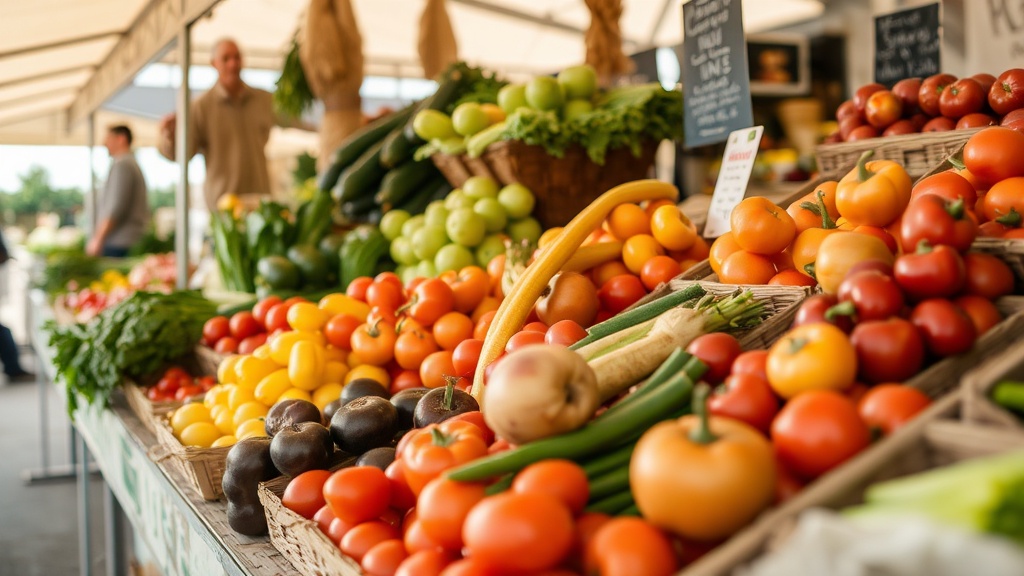
Finding the Best Seasonal Produce at Local Haldimand Farm Stands

Most people think that buying seasonal produce in Haldimand County means driving to a massive grocery chain and settling for vegetables that were shipped from thousands of kilometers away. That's a mistake. This guide covers how to identify, locate, and purchase the highest quality seasonal goods directly from local farm stands and growers right here in our county. Understanding the specific harvest cycles of the Haldimand County region ensures you get the best flavor and the most nutritional value for your money.
Haldimand isn't just a pass-through to the beaches; it's a heavy-hitting agricultural hub. From the fertile soils near Cayuga to the orchards in Caledonia, we have access to some of the best soil in Southern Ontario. If you know when to look, you'll find produce that makes the stuff in the supermarket look dull and tasteless.
When is the best time to buy seasonal produce in Haldimand?
The best time to buy seasonal produce in Haldimand is during the peak harvest windows of late June through October. While many people look for vegetables year-round, the real magic happens in short, intense bursts depending on the crop. If you miss the window for strawberries in June, you won't find them at a local stand in August.
Here is a general breakdown of what you should be looking for throughout the year in our region:
- Early Summer (June - July): This is the era of berries. You'll find strawberries, raspberries, and early summer squash. This is also when the first leafy greens start to pop.
- Mid-Summer (July - August): This is the heavy hitter. Expect sweet corn, tomatoes, cucumbers, and peppers. This is the most vibrant time for farm stands along the backroads.
- Late Summer/Early Fall (September - October): The focus shifts to hearty crops. Think pumpkins, squash, apples, and root vegetables like potatoes and carrots.
It's worth noting that weather plays a huge role here. A late frost in May can push the strawberry season back by two weeks—don't be surprised if the stands are empty in early June some years. Always check local social media pages for specific farms before you head out.
How much does local produce cost compared to grocery stores?
Local produce prices fluctuate based on current harvest yields and seasonality, but they are often highly competitive with major retailers when you factor in quality and shelf life. While a single head of lettuce might occasionally look cheaper at a big-box store, the weight and freshness of local goods usually offer better value. You aren't just paying for the vegetable; you're paying for the fact that it was likely picked 24 to 48 hours ago.
Let's look at a typical comparison of seasonal pricing trends in our area:
| Product | Farm Stand Peak Season | Supermarket Average (Off-Season) | Why Buy Local? |
|---|---|---|---|
| Sweet Corn | $0.50 - $1.00 per ear | $0.80 - $1.25 per ear | Higher sugar content and juiciness. |
| Strawberries | $4.00 - $5.00 per pint | $6.00+ per pint | Picked at peak ripeness, not shipped green. |
| Heirloom Tomatoes | $3.00 - $5.00 per kg | $5.00+ per kg | Actual flavor, not just "redness." |
One thing to keep in mind: cash is still king at many smaller stands. While many have moved toward accepting debit or credit, having a few loonies and toonies in your pocket can save you a headache at a roadside stand that doesn't have a reliable cellular connection for card readers. (And yes, I've been that person stuck at the front of the line because I didn't have enough cash.)
For more technical data on agricultural yields and standards in Ontario, you can check the Ontario Ministry of Agriculture, Food and Rural Affairs website. They provide a wealth of information on how provincial weather patterns affect our local food supply.
What should I look for to ensure produce is fresh?
To ensure produce is fresh, look for vibrant colors, firm textures, and a lack of bruising or soft spots. Freshness is visible if you know what to look for. For example, when buying tomatoes at a local stand in Caledonia, the skin should be taut and slightly heavy for its size. If it feels light or the skin is wrinkly, it's been sitting out too long.
Here are a few pro tips for different categories:
- Leafy Greens: Look for crisp edges. If the edges are wilted or slimy, the moisture levels are dropping.
- Root Vegetables: These should be firm and free of excessive dirt or mold. If you're buying carrots or beets, look for bright, healthy tops if they are still attached.
- Stone Fruits: Peaches and plums should have a slight give when pressed gently, but they shouldn't be mushy. If they are too soft, they're likely overripe and won't last in your fridge.
- Corn: The husks should be bright green and slightly moist. If the husk is brown and dry, the kernels inside are likely starchy rather than sweet.
Don't be afraid to ask the person running the stand. These folks are experts. If you're unsure if a melon is ripe, just ask. Most farmers are happy to help you pick the best piece of fruit for your kitchen. It's a much more personal experience than asking a teenager in a grocery aisle.
The quality of your food is directly linked to the care taken during the growing process. In Haldimand, many of our growers use traditional methods that prioritize soil health. This results in produce that isn't just "food"—it's actual flavor. You'll notice the difference immediately in a summer salad or a simple roasted vegetable dish.
If you want to dive deeper into the science of why local food tastes better, the National Institutes of Health has various studies on the nutritional density of fresh versus processed or long-transit foods. It's a fascinating read if you're a data nerd like me.
One thing I've learned over the years is that the best stands aren't always the ones with the biggest signs. Sometimes the best corn or the sweetest peaches are found at a small, unassuming table on a gravel road near Hagersville. It takes a bit of wandering to find the real gems, but the payoff is worth the extra five minutes of driving.
Keep an eye out for signs of "end of season" sales. As the frost approaches, farmers often drop prices significantly to move their remaining stock. This is the perfect time to stock up on things you can freeze or preserve, like berries or certain types of squash. It's a smart way to stretch your grocery budget through the winter months.
The next time you're out driving through the county, keep your eyes peeled for those bright yellow or white signs. They might be simple, but they're often the gateway to the best meal you'll have all week. It's a direct way to support our local economy and ensure our farming traditions continue for the next generation of Haldimand residents.
Steps
- 1
Check the Seasonal Calendar
- 2
Visit During Peak Harvest Hours
- 3
Bring Small Bills and Reusable Bags
- 4
Ask Growers About Upcoming Crops