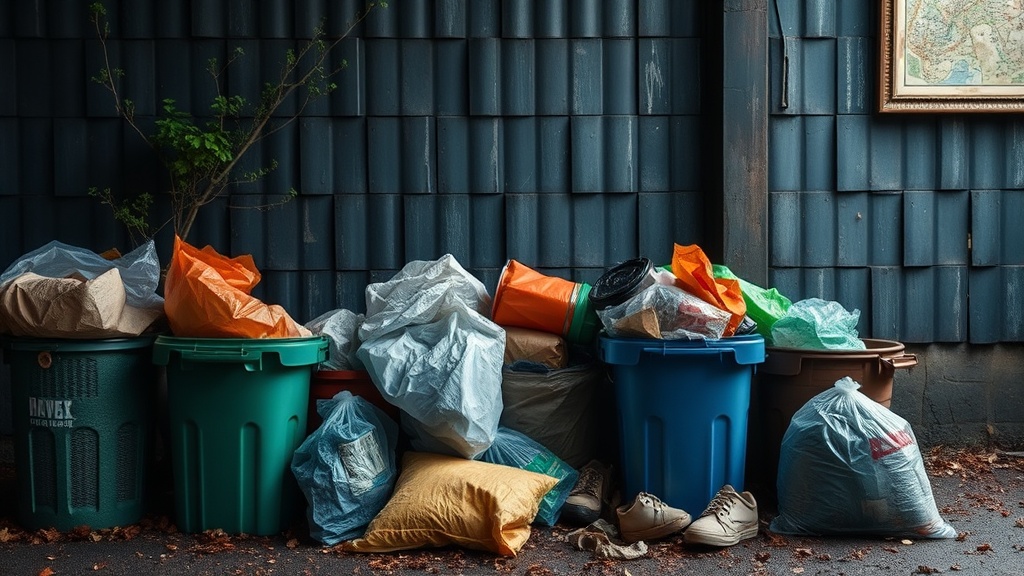
How to Organize Your Household Waste and Recycling in Haldimand County

This guide explains how to correctly manage your household waste, recycling, and organic matter within Haldimand County. We'll cover the specific collection schedules, sorting rules, and disposal methods used by our local municipal services to keep our community clean and efficient.
Living in Haldimand County means keeping up with a specific set of collection rules to ensure our streets stay clean and our landfill capacities remain manageable. Whether you live in Cayuga, Caledonia, or out near the more rural parts of the county, knowing exactly what goes in which bin prevents much-needed delays and unnecessary fines. We've seen plenty of neighbors struggle with the confusion of what counts as "recyclable" versus "garbage," so we're breaking it down for you.
Where do I find my specific waste collection schedule?
The first step in managing your household waste is knowing when the truck actually arrives at your property. In Haldimand County, collection days aren't universal; they depend entirely on your specific street address and your specific zone. You can't just assume a neighbor's bin is being emptied on the same day as yours. We recommend checking the official Haldimand County website or using the local waste management portal to find your exact pickup day.
If you're living in a newer development near Caledonia, your schedule might differ slightly from someone living in an older neighborhood in Cayuga. It's a good idea to set a digital reminder on your phone a night before your scheduled pickup. Most of us in the community find that using the mobile alerts helps avoid the frustration of forgetting a bin on the curb. You can find the official schedules and zone maps through the Haldimand County official website to ensure you're always on track.
What can go in my blue bin for recycling?
One of the biggest points of confusion in our community is the blue bin. Not everything that looks like plastic or paper belongs there. In Haldimand County, the goal is to keep the recycling stream clean so it actually gets processed. If a bin is contaminated with food or non-recyclable materials, the whole batch might end up in the landfill instead of being recycled.
- Paper and Cardboard: Flattened boxes are a must. Don't leave them standing up; they take up too much room and can jam the sorting machines.
- Plastic Containers: We're talking about bottles, jugs, and tubs. Make sure they are rinsed out. A yogurt container with leftover residue is a no-go.
- Metal: Aluminum cans and steel cans are perfectly fine once they're empty and clean.
- Glass: Depending on your specific zone in Haldimand County, glass might be handled differently, so always check your local bin guidelines.
A quick tip we've learned: if you're unsure if something is recyclable, it's usually better to put it in the garbage. It's better to have one piece of trash than to ruin a whole load of good recycling. This is especially true for thin plastics like grocery bags or certain types of film, which can wreak havoc on the sorting equipment.
How do I dispose of larger items or hazardous waste?
We all have those days where we finish a project or move houses and suddenly have a pile of stuff that doesn't fit in a standard bin. You can't just leave a couch on the curb in Haldimand County and expect it to be picked up with the weekly garbage. Doing so can create eyesores and even safety hazards for our local roads and pedestrians.
For bulky items like furniture or large appliances, you'll need to arrange a special pickup or visit a local transfer station. The Haldimand County waste management system has specific protocols for things like old refrigerators, mattresses, or even electronics. For hazardous materials—think old paint, batteries, or motor oil—you must never put these in your regular trash or blue bin. These items require special handling to prevent environmental damage to our local soil and water.
<| Item Type | Disposal Method | Notes |
|---|---|---|
| Standard Trash | Weekly Garbage Bin | Keep lid closed to prevent pests. |
| Recyclables | Blue Bin | Rinse containers first. |
| Bulky Furniture | Special Request | Contact the county for scheduling. |
| Hazardous Waste | Drop-off Site | Never put in regular bins. |
If you find yourself with a large amount of yard waste or organic matter, remember that our local compost programs are vital for keeping our community green. Keeping organic waste out of the landfill helps reduce methane production, which is a win for everyone living here in Haldimand County.
Managing your waste effectively is a small way we can all contribute to the long-term health of our local environment. Whether you're living in the heart of Cayuga or a rural farm near the edge of the county, following these simple steps ensures our local infrastructure works smoothly for everyone.