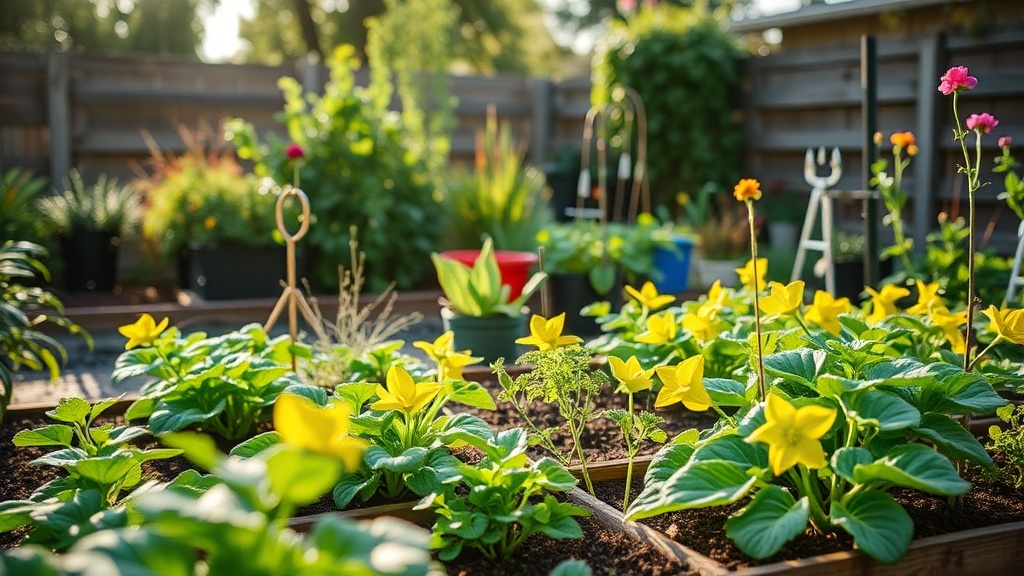
Setting Up a Sustainable Backyard Garden in Haldimand County

Looking to grow your own food right here at home?
Have you ever looked at your backyard and wondered if you could actually grow more than just grass? Whether you live in a smaller lot in Cayuga or have a sprawling property out near Caledonia, starting a garden is one of the most rewarding things you can do for our community. This guide covers the practical steps for getting your soil ready, choosing crops that actually thrive in our specific local environment, and maintaining a garden that works with nature rather than against it.
Living in Haldimand County means we deal with a very specific set of growing conditions. Our weather can be unpredictable—one day it's a warm spring afternoon, and the next, we're hit with a sudden frost that catches everyone off guard. This guide helps you prepare for those shifts while making sure your backyard project is a success from the start.
Where should I start my garden in Haldimand County?
The first step is finding the right spot. You can't just dig a hole anywhere and expect a harvest. You need to consider sunlight, drainage, and accessibility. Most vegetables need at least six to eight hours of direct sun. If you're living near the shores of Lake Erie, you might notice slightly different wind patterns that can dry out your soil faster. We suggest observing your yard throughout a full day before you even buy a single seed packet. Look at how the shadows fall from your house or your neighbor's large oak trees.
Once you've picked a spot, you need to think about the soil. Many parts of Haldimand County have heavy clay or sandy loam depending on which township you call home. If your soil is too heavy, water will sit and turn your garden into a swamp (nobody wants that). If it's too sandy, your plants will dry out before you even get a chance to water them. A great way to check is the "squeeze test": grab a handful of moist soil and squeeze. If it stays in a hard ball, it's heavy clay. If it falls apart immediately, it's sandy. You'll want to add organic matter—like compost from a local source—to help balance things out.
What crops grow best in our local climate?
Because we are situated in a unique pocket of Ontario, we have a decent growing season, but we still have to be smart. You don't want to plant heat-loving peppers if a late frost is still a real threat in our area. For those starting out, we recommend focusing on hardy vegetables that don't mind a bit of a chill. Think leafy greens like kale, or root vegetables like carrots and radishes. These are much more forgiving for beginners.
If you want to try more advanced crops, you'll need to keep a close eye on the local weather reports. For example, if you're planning on planting tomatoes, wait until the soil has truly warmed up. A local tip for our community: always check the Ontario Ministry of Agriculture, Food and Rural Affairs resources to see when the last frost date actually is for our region. This ensures you aren't putting your plants in the ground way too early.
| Crop Type | Best Planting Time | Difficulty |
|---|---|---|
| Leafy Greens | Early Spring | Easy |
| Root Vegetables | Spring/Summer | Moderate |
| Summer Squash | Late Spring | Moderate |
| Tomatoes | Late Spring/Early Summer | Hard |
How do I manage pests without using harsh chemicals?
One of the biggest mistakes new gardeners make in Haldimand County is reaching for a bottle of heavy pesticide the moment they see a bug. In our community, we want to keep our soil and water healthy. Instead, try a more natural approach. Planting flowers like marigolds or nasturtiums alongside your vegetables can actually help. These flowers attract "good" bugs that eat the "bad" bugs. It's a natural way to keep your garden in balance.
If you find yourself needing more specific advice or high-quality supplies, don't just go to a big-box store. Support our local economy by visiting a place like The Garden Centre in Cayuga or local nurseries that understand our specific soil types. They often carry varieties that are proven to do well in our local backyard environments. Using local knowledge is always better than following a generic guide from a different part of the country.
Watering is another area where people often struggle. In the heat of a Haldimand summer, it's tempting to spray the leaves with a hose every single day. However, this can actually encourage fungal diseases. It's much better to water the base of the plant directly. This keeps the moisture in the soil where it belongs and keeps the leaves dry. If you can, set up a simple rain barrel system. It's a great way to catch free water from your roof and keep your garden hydrated without relying solely on the municipal supply.
Remember, gardening is a learning process. You'll probably lose a few plants this year, and that's perfectly fine. Every mistake is just more data for next season. Whether you're growing a small container garden on a porch or a full-scale vegetable patch, the goal is to connect with the land we live on. Our community is built on a strong connection to the land, and starting a garden is the best way to deepen that bond.